Dogs help calm anxiety by lowering cortisol levels and stimulating the release of oxytocin through physical touch and consistent companionship. These loyal animals provide grounding and emotional support, which helps individuals manage stress while reducing feelings of loneliness. Engaging in simple daily rituals like petting or walking creates a soothing routine that significantly improves overall mental well-being.
If anxiety has a way of pulling you out of your own life, making ordinary moments feel distant and your nervous system feel like it is permanently braced for impact, you are not imagining how much harder everything becomes. There is a reason so many people describe their dog as the one thing that genuinely helps, and it goes far deeper than simple companionship. The bond between humans and dogs triggers measurable neurological and hormonal shifts that support calm, presence, and emotional regulation. In this post, you will learn exactly why that happens, how to work with your dog intentionally to deepen those benefits, and how to build evening rituals and sensory environments that turn an ordinary night at home into something genuinely restorative.
Why Dogs Are Natural Anxiety Relievers (What the Science Actually Says)
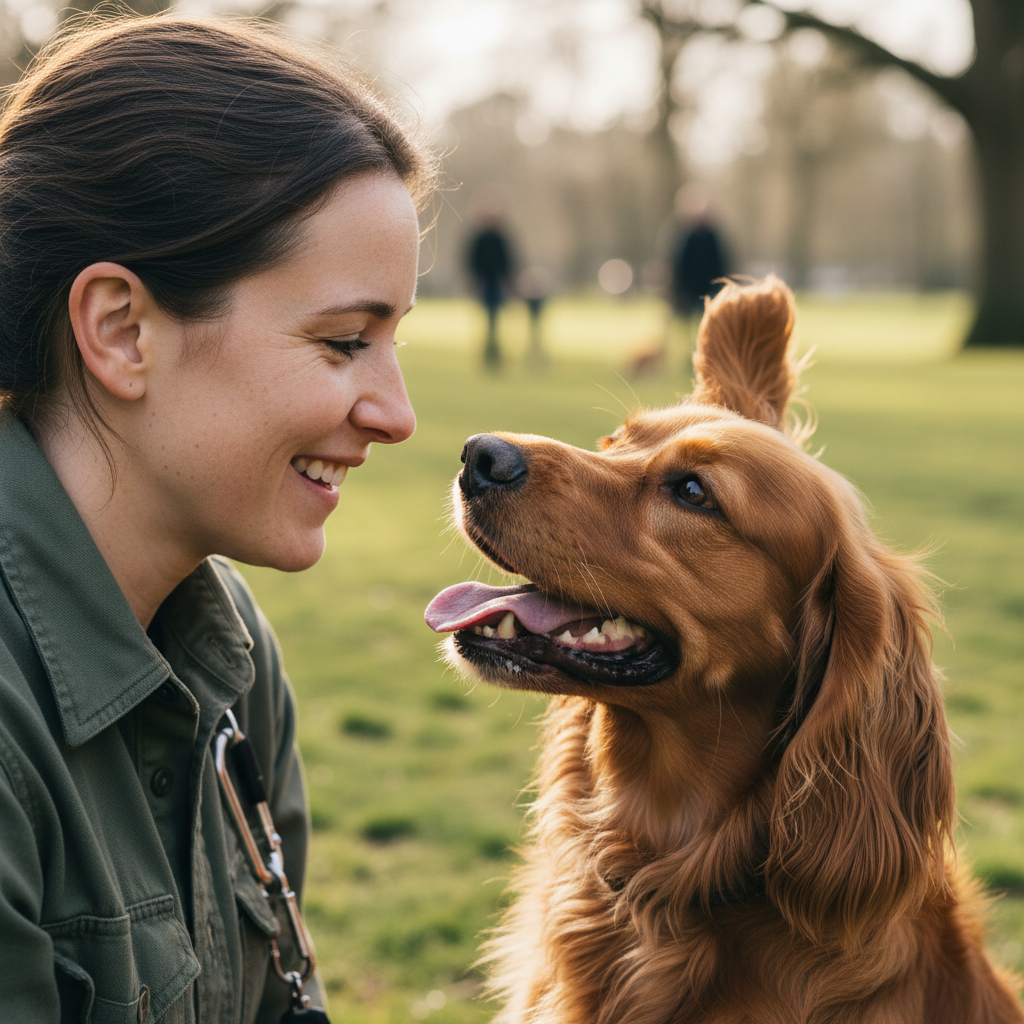
There is something that happens the moment you sit down with a dog and let your hand move slowly through their fur. Your breath deepens. Your shoulders drop. The mental noise quiets, even just a little. That shift is not imaginary, and it is not just comfort. It is biochemistry.
Research published in journals including Emotion has confirmed what dog lovers have always known: petting a dog measurably lowers cortisol, the hormone your body releases under stress. At the same time, it triggers a release of oxytocin, sometimes called the bonding hormone, in both you and your dog simultaneously. This two-way exchange is part of what makes understanding how dogs help calm anxiety so compelling. The healing is mutual.
The physical dimension matters here too. Studies have shown that interacting with dogs reduces blood pressure and activates the parasympathetic nervous system, the part responsible for rest and recovery. Touch, specifically slow and intentional touch, functions as a grounding mechanism that interrupts the stress response cycle before it can spiral further.
None of this is surprising to anyone who has ever curled up with a dog after a hard day. The science simply gives language to something felt deeply and instinctively. What is worth exploring is how to use that natural connection with more intention, and that starts with understanding your dog as far more than a comfort object.
Your Dog Is a Grounding Tool: How Pets Bring You Back to the Present Moment

Your dog as a comfort object is one thing. Your dog as an active grounding tool is something worth understanding more deeply.
Grounding is a technique used in anxiety management to interrupt the loop of anxious thought. The basic premise is simple: when your mind is spiraling, you deliberately engage your senses to pull your awareness back into your body and the present moment. Most grounding exercises ask you to notice five things you can see, four you can hear, and so on. Your dog makes this practice not just easier, but richer.
Start with touch. The texture of your dog's fur, whether coarse or silky, dense or sparse, gives your nervous system something real and immediate to process. That tactile input competes directly with the abstract, future-focused thoughts that fuel anxiety. Then there is weight. A dog leaning against you or curled across your lap delivers a kind of pressure that feels inherently settling, not unlike the principle behind weighted blankets.
Listen to your dog breathe. That slow, steady rhythm is something your own body will naturally begin to mirror. Notice their scent, warm and familiar, which researchers note activates the same neural pathways tied to memory and safety.
This is the energy exchange at the heart of the practice. When you slow down enough to tune into your dog with genuine attention, your nervous system reads that intentional stillness as a signal to soften. Your dog is already present. Letting them lead you there is the whole point.
The Quiet Magic of Routine: How Dog Care Structures Your Day and Reduces Overwhelm
That energy exchange described above points to something even deeper: the way your dog's daily needs quietly impose a structure that your overwhelmed nervous system may desperately need but struggle to create on its own.
Emotional overwhelm is different from everyday stress. It can flatten motivation entirely, making even basic self-care feel unreachable. Dogs interrupt that cycle not through inspiration but through necessity. The bowl needs filling. The leash needs clipping. The door needs opening. These are small, concrete acts, and that concreteness is exactly the point. MHA National has noted that routine care for a pet can meaningfully reduce anxiety by providing external anchors when internal ones have gone quiet.
For people navigating depression or trauma responses, that gentle external pull can be the difference between staying in bed and stepping outside. And once you are outside, a morning walk becomes something closer to moving meditation. Your pace slows to match your dog's curiosity. Your attention lands on the ground beneath your feet, the air, the light. The mental loop pauses.
There is also the quiet dignity of being needed. Caring for another living being shifts your focus outward in a way that self-directed wellness practices sometimes cannot. Purpose, even in its smallest form, is grounding.
Building a Calming Ritual With Your Dog: A Step-by-Step Evening Wind-Down
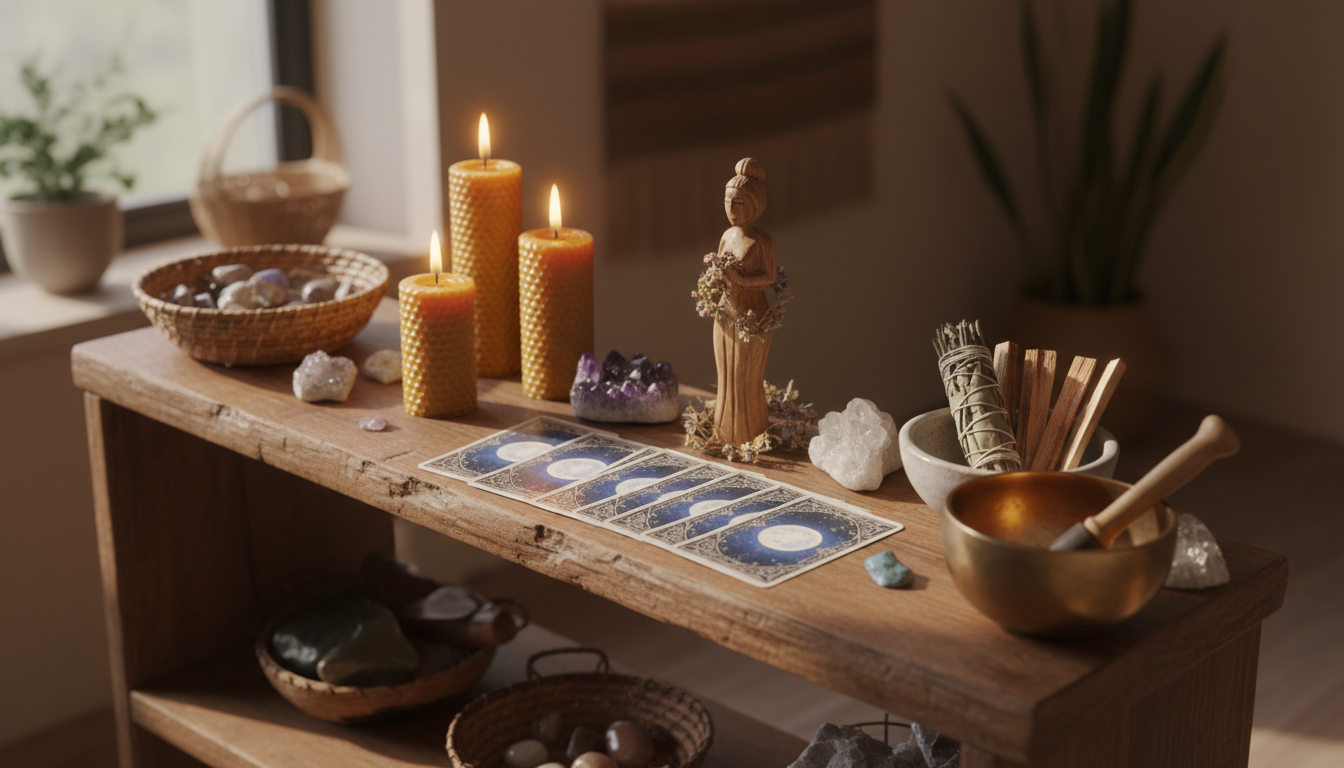
Purpose, as described above, is one entry point into calm. Ritual is another, and this is where the two can meet in a very practical way.
A 15 to 20 minute evening wind-down ritual with your dog does not require anything elaborate. What it requires is consistency and a little intention. Dogs are acutely sensitive to environmental and energetic cues, so the same sequence repeated each evening begins to work on both of you simultaneously.
Here is a simple structure to start with:
Dim the lights and light a calming candle. Lavender, chamomile, and sandalwood are all well-suited for this transition. The shift in light and scent signals to your nervous system, and your dog's, that the active part of the day is closing. This sensory cue alone begins the descent out of stimulation.
Sit on the floor with your dog and begin slow, intentional petting. Not distracted stroking, but deliberate, attentive touch. As you do, practice 4-7-8 breathing: inhale for four counts, hold for seven, exhale for eight. Your dog will feel your breath slow and your muscles release. Their body will often respond in kind.
Move into a brief body-scan meditation with your dog resting against you. Two to three minutes is enough. Start at the crown of your head and move your awareness downward, noticing tension without trying to fix it. Your dog's warmth and weight provide a physical anchor throughout.
Keep a small journal nearby. Before you close out the ritual, write one thing you are grateful for. A single line is enough.
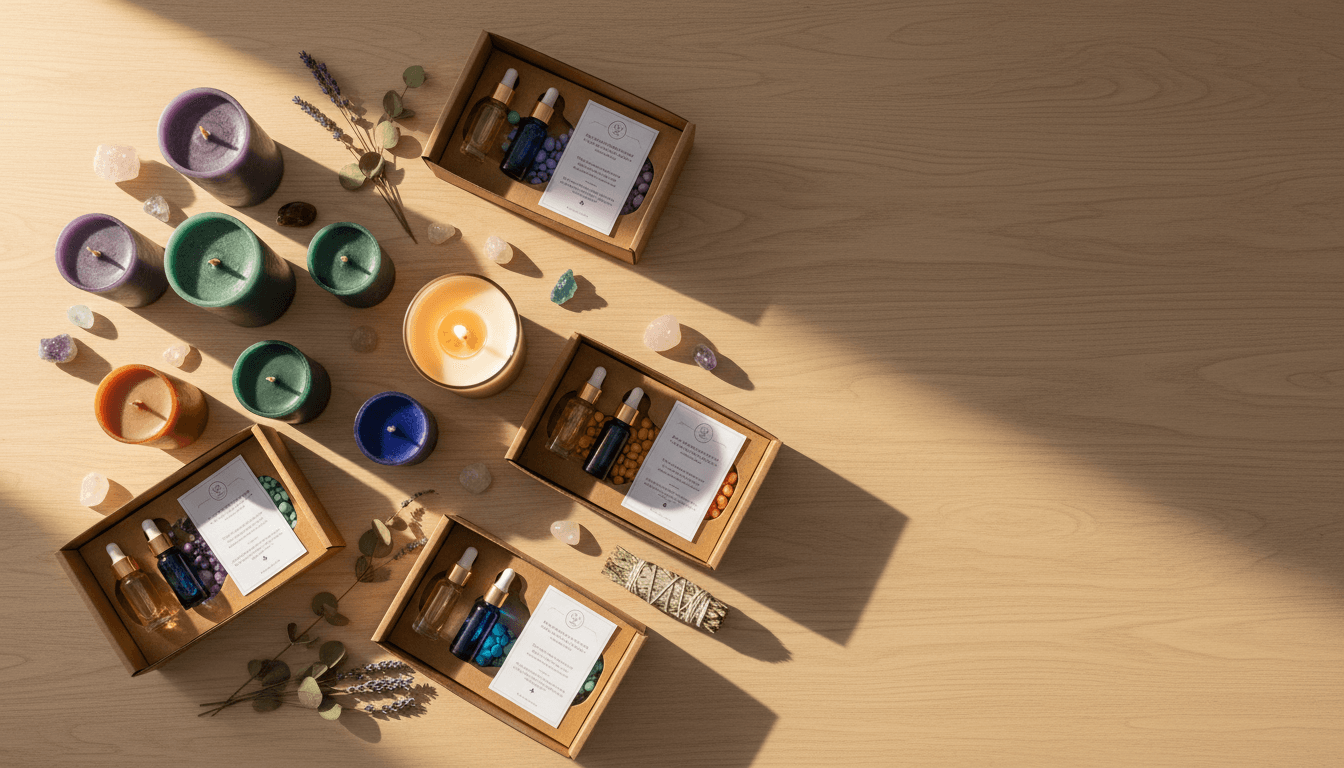
The energy exchange that makes this work is not metaphorical. Your dog is reading you in real time. When you build a ritual that genuinely slows your nervous system, you are not just helping yourself. Explore our ritual goods to find candles and herbal blends that support this kind of intentional evening practice.
Scent, Candlelight, and Your Dog: Creating a Calming Sensory Environment at Home
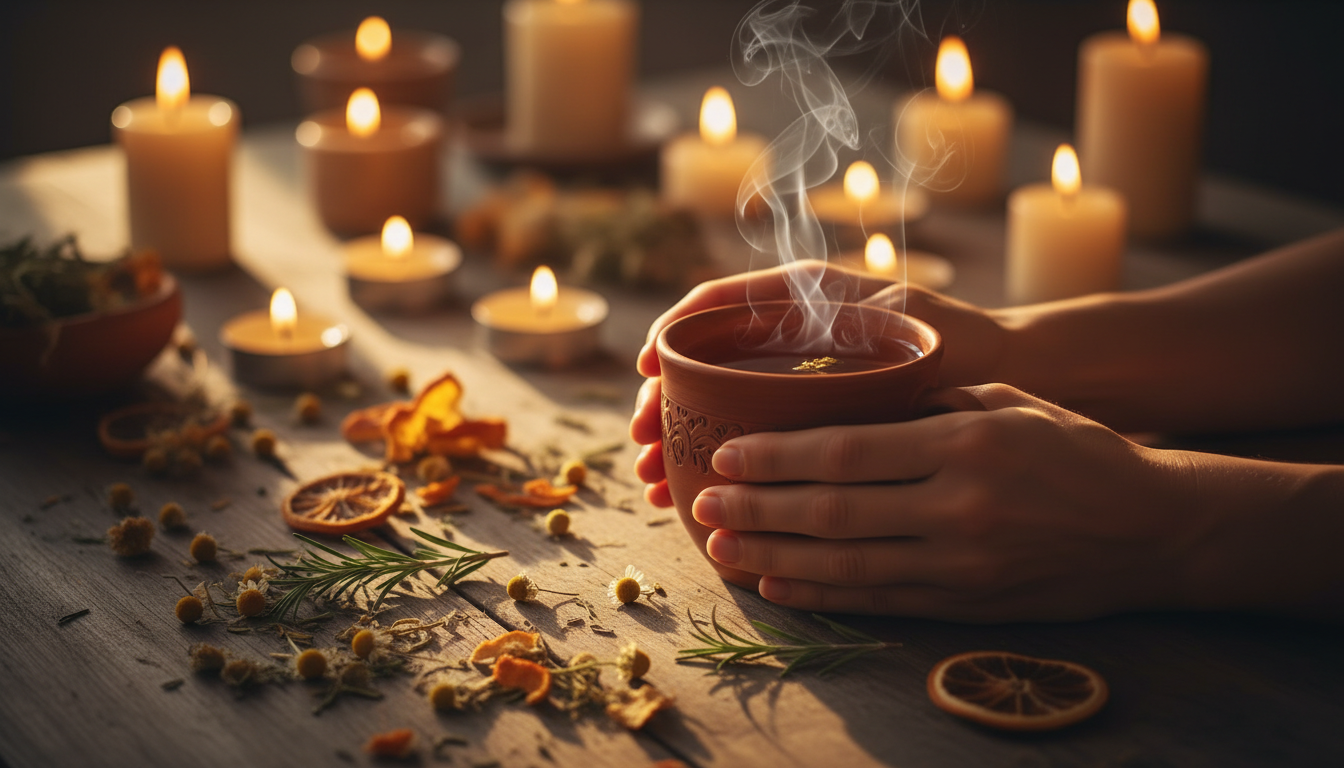
That ritual works even more effectively when the environment itself is doing some of the work for you.
Scent is one of the fastest pathways to the nervous system. The olfactory system connects directly to the limbic region of the brain, the area responsible for emotion and memory, which is why a familiar fragrance can shift your mood within seconds. When you use the same scents consistently during your calming rituals, your brain begins to associate those aromas with safety. Over time, simply lighting a candle becomes a signal: the active day is over, stillness is available now.
For this kind of intentional environment, a few scent families are particularly effective. Lavender is the most well-documented for relaxation and nervous system support. Cedarwood carries a grounding, earthy quality that anchors scattered energy. Frankincense slows the breath almost instinctively and is long associated with deep meditative calm. All three are generally considered safe to use around dogs when burned in well-ventilated spaces; just keep candles placed securely out of your pup's reach.
Soft candlelight adds another layer. Dimming artificial light in the evening reduces visual stimulation and supports your body's natural melatonin production, making the transition to rest gentler for both of you. Our ritual candles and calming herbal blends are crafted with exactly this kind of intentional sensory environment in mind.
What you are building here is not just an ambiance. It is a shared sanctuary, a space your dog learns to associate with ease as readily as you do.
What the 3-3-3 Rule for Dog Anxiety Can Teach Us About Our Own Healing
That shared sanctuary, once built, reveals something important: real comfort does not arrive all at once. It settles in gradually, layer by layer. That truth applies to your dog as much as it applies to you.
The 3-3-3 rule is a guideline widely used in rescue and adoption communities to set realistic expectations for newly adopted dogs. In the first 3 days, a dog is simply decompressing, often shutting down or seeming withdrawn as the nervous system processes the change. Over the next 3 weeks, they begin to recognize patterns, routines, and safe figures. By 3 months, they typically feel genuinely at home, relaxed enough to show their real personality.
The parallel to human healing is quiet but striking. Anxiety and emotional overwhelm do not resolve on a fixed timeline, and the nervous system cannot be rushed into regulation any more than a shelter dog can be rushed into trust. Healing happens in those same rough layers: first, simply surviving the acute discomfort; then, slowly learning what safety feels like; finally, beginning to inhabit calm as something ordinary rather than borrowed.
If you have been practicing your evening ritual for two weeks and still feel like you are not making enough progress, you are likely in week three of your own 3-3-3. The consistency is the work. Small, repeated rituals are not supplemental to nervous system regulation; they are the mechanism of it.
Signs Your Dog Is Sensing Your Anxiety (And How to Respond Together)
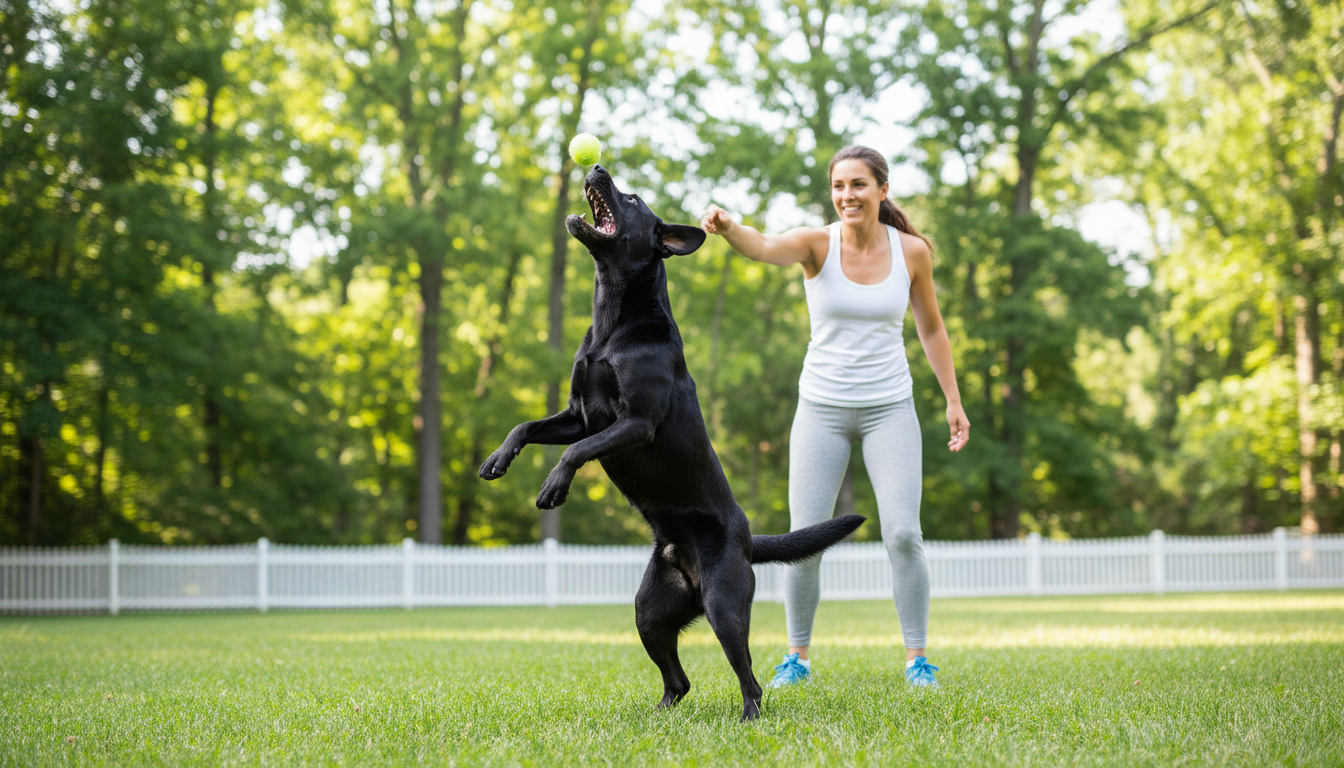
Your dog cannot name what they are noticing, but they notice everything. A change in your breathing pattern, a shift in your posture, the subtle tension that moves through your body before you have even consciously registered that something is wrong. Dogs read these signals constantly, and they respond to them without being asked.
The signs are often quiet: a dog who suddenly leaves their bed to press against your leg, a nose nudging under your hand, a steady gaze from across the room, or a head resting on your lap with a weight that feels almost deliberate. These are not coincidences. They are your dog responding to your emotional state in real time, which means they can also function as a live signal that your nervous system needs attention.
When you notice those cues, here are three simple ways to respond together:
Drop to the floor. Lowering yourself to your dog's level and breathing slowly for even one minute interrupts the anxiety spiral more effectively than trying to think your way out of it.
Begin a petting meditation. Slow, intentional strokes paired with deliberate breath use the same principles behind how dogs help calm anxiety, turning a simple moment of contact into a reset.
Step outside together. Even a five-minute walk shifts your body chemistry, breaks the indoor thought loop, and gives both of you something immediate to orient toward.
The relationship is not one-directional. Your dog is already participating in your healing; the practice is learning to meet them there.
The bond you share with your dog is more than just companionship; it is a scientifically backed source of comfort and emotional stability. By leaning into these natural moments of connection, you can find a unique sense of peace in your daily life. If you feel ready to deepen your wellness journey with professional guidance, our team is here to support you. You can explore our curated Ritual Goods to find intentional tools designed to complement your healing process.