Building a daily self-care ritual involves identifying specific activities like meditation or journaling that support your mental and physical health; then, you must schedule these habits consistently into your routine. This proactive approach transforms your life by reducing stress and fostering a deeper sense of balance and resilience throughout your day.
You already know you should be taking better care of yourself. You have probably said it a hundred times, maybe even started a new routine with the best intentions, only to watch it quietly disappear within a week. The problem is not your willpower or your schedule; it is that most self-care advice treats the body like a checklist and forgets the deeper reasons we need nourishment in the first place. A true daily self-care ritual is something different, something that actually holds. In this guide, you will learn how to audit what you genuinely need, choose practices that fit your real life, and build morning and evening anchors that create lasting change for your mind, body, and spirit.
What Makes a Self-Care Ritual Different from a Routine
You wash your face every night. You make coffee every morning. These are routines, and routines are useful. But a routine runs on autopilot. It gets the job done and moves on. A ritual does something entirely different.
A ritual asks you to show up with meaning. It transforms an ordinary act into something that actually lands, something you feel rather than just complete. That shift from mechanical to intentional is exactly what a daily self-care ritual is built on.
At The Ritual Bloom, we think of a true ritual as having three elements working together:
Intention: knowing why you are doing it, what you are calling in or releasing
Attention: being fully present in the moment, not scrolling, not rushing
Repetition: returning to the practice consistently, letting it build meaning over time
When all three are present, even five quiet minutes becomes an act of healing and spiritual connection. That is the difference worth building your life around.
Why a Daily Self-Care Ritual Matters for Mind, Body, and Spirit
Once you understand what makes a ritual different from a routine, the next natural question is: does it actually matter? The answer, in our experience and in the research, is a clear yes.
Consistent self-care practices are linked to measurably lower levels of anxiety and depression. But the why behind that matters just as much as the data. When you show up for yourself daily, even briefly, you are sending a signal to your nervous system that you are safe, seen, and tended to. That signal alone can shift how the rest of your day unfolds.
A grounded daily self-care ritual works on three levels at once:
Mentally: Regular intentional pauses create space between stimulus and response. That space is where clarity lives.
Physically: Consistent small acts of body care, rest, and sensory comfort restore what stress depletes.
Spiritually: Practices that connect you to something larger than your to-do list, purpose, presence, or simply stillness, create alignment that no productivity hack can replicate.
This is not indulgence. It is maintenance of your whole self. And it does not require an hour. Five intentional minutes, practiced daily, builds more than a two-hour session done once in a while.
Step 1: Start with an Honest Self-Care Audit
Before you build anything, it helps to look honestly at what is already there, and what is missing.
Most people jump straight to making a list of self-care activities. But if you skip the self-awareness step, you end up with someone else's ritual instead of your own. So start here: Where do I feel most depleted right now?
There are seven areas of wellbeing worth checking in on: physical, emotional, social, intellectual, spiritual, environmental, and occupational. You do not need to score yourself or fill out a clinical worksheet. Just sit with the list and notice which words make you exhale a little, like something in you recognizes the neglect.
Journal your honest answers. Even a few sentences per area reveals patterns quickly. If you want a little structure to guide the reflection, intention cards can serve as gentle prompts that make the process feel less like homework and more like a conversation with yourself.
This is where your daily self-care ritual actually begins: with the truth of where you are.
Step 2: Choose Rituals That Actually Fit Your Life

Now that you know where you are depleted, the next step is finding practices that actually belong in your life, not a curated version of someone else's.
This is where most self-care advice goes sideways. You see an elaborate morning routine online and try to replicate it wholesale, only to abandon it by Wednesday. The rituals that stick are the ones built around your actual schedule, your actual energy, and what genuinely feels restorative to you.
Start by matching rituals to the time you realistically have. Here is a practical breakdown:
Under 5 minutes - Light a ritual candle and speak or write one clear intention for the day - Pull a single tarot or oracle card and sit with the message for a moment - Hold a warm mug of herbal tea with both hands and take five slow, deliberate breaths
10 to 15 minutes - A short bath ritual soak with an herbal blend to decompress mid-day or before bed - Freeform journaling without an agenda, just whatever needs to move through you - A seated meditation or body scan to come back to yourself
30 minutes or more - A full bath ceremony with intention, scent, and stillness - A solo nature walk without your phone - An extended journaling session using prompts or reflection questions
Sensory anchors, like a handcrafted candle or an herbal blend, help your mind recognize that ritual time has begun. They are not the ritual itself; they are the signal. Browse ritual goods if you want tools designed with that purpose in mind.
Choose one practice from the list that feels like relief, not obligation. That feeling is your guide.
Step 3: Build Your Morning and Evening Ritual Anchors

Once you have identified a few practices that feel right, the next question is when to do them. And the most sustainable answer, the one that holds up across busy weeks and slow ones alike, is to bookend your day.
A short morning ritual and a short evening ritual work together as a container. The morning anchor sets the tone before the noise of the day rushes in. The evening anchor closes the loop, giving your nervous system a clear signal that the day is done and rest is allowed. Between those two points, the rest of your daily self-care ritual can flex with whatever life brings.
Morning: Intention before input. Before you check your phone or run through your to-do list, give yourself a few minutes of grounded clarity. A single lit candle signals that this time is different. A one-card tarot pull gives you a theme to carry into the day. Three written intentions, kept brief and specific, direct your energy rather than scatter it. A warm mug of herbal tea or lemon water slows your body into presence.
Evening: Release before rest. This is not the time for productivity. A short bath soak, even ten minutes, tells your body it is safe to unwind. A wax melt or calming scent shifts the sensory environment away from daytime alertness. A brief gratitude reflection, three things, no more, closes the mental loop without reopening it.
You do not need all of these every single night or morning. Start with one anchor from each end of the day and let the practice grow from there.
Step 4: Add Spiritual Self-Care Practices That Resonate with You

With your morning and evening anchors in place, you have a structure to hold your daily self-care ritual. Now comes the layer that can make that structure feel genuinely alive: spiritual self-care.
Spiritual self-care has nothing to do with religious affiliation. It is simply any practice that connects you to something larger than your inbox, your schedule, or your responsibilities. That might be nature, creativity, silence, community, or intentional ritual. The through line is presence and meaning, which you already know how to access.
If you are looking for a starting point, here are practices worth exploring:
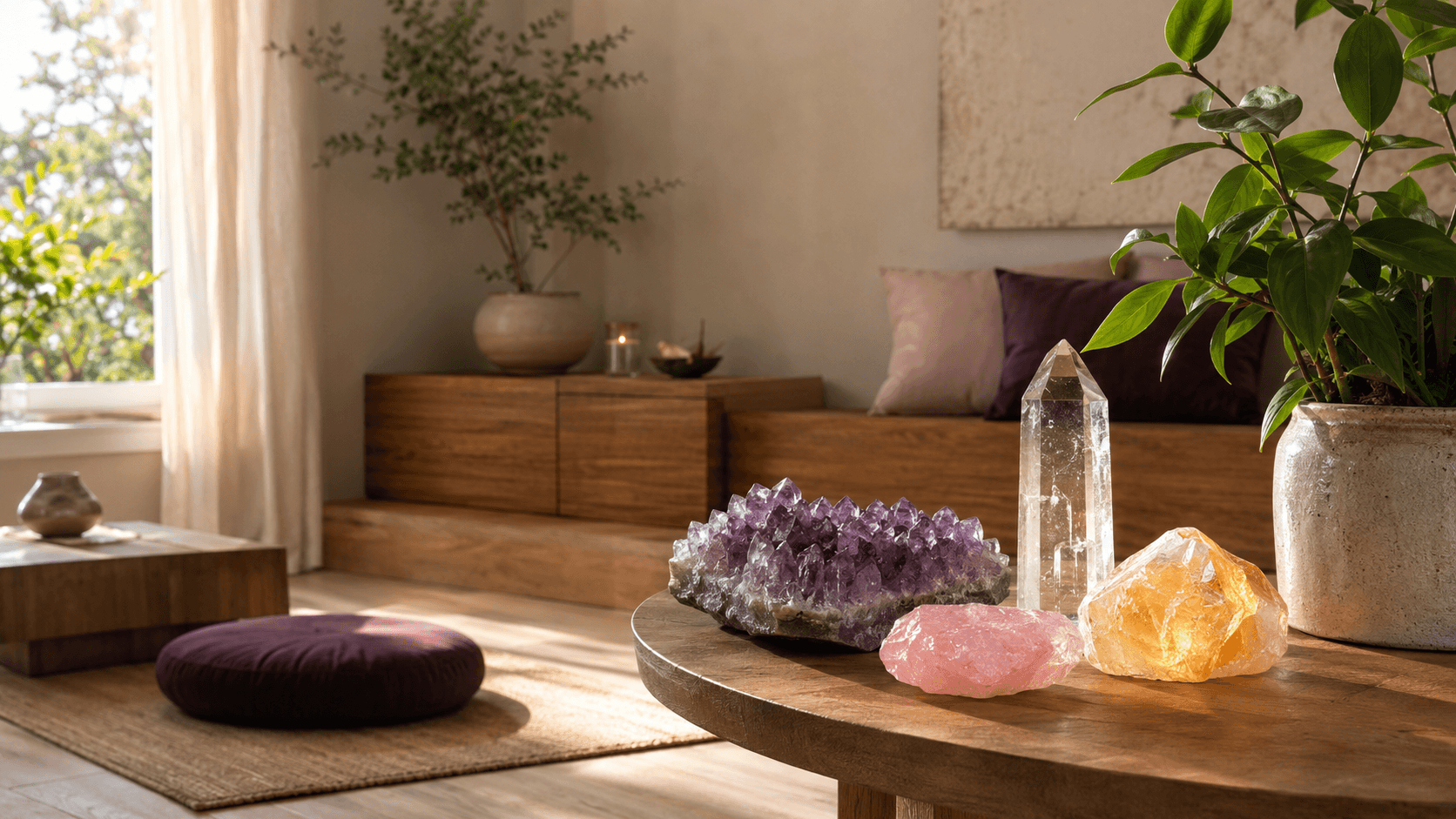
Working with crystals as tactile reminders of an intention you are holding
Pulling a tarot or oracle card as a daily reflection prompt rather than a prediction
Moon phase awareness: setting intentions at the new moon and releasing what no longer serves at the full moon
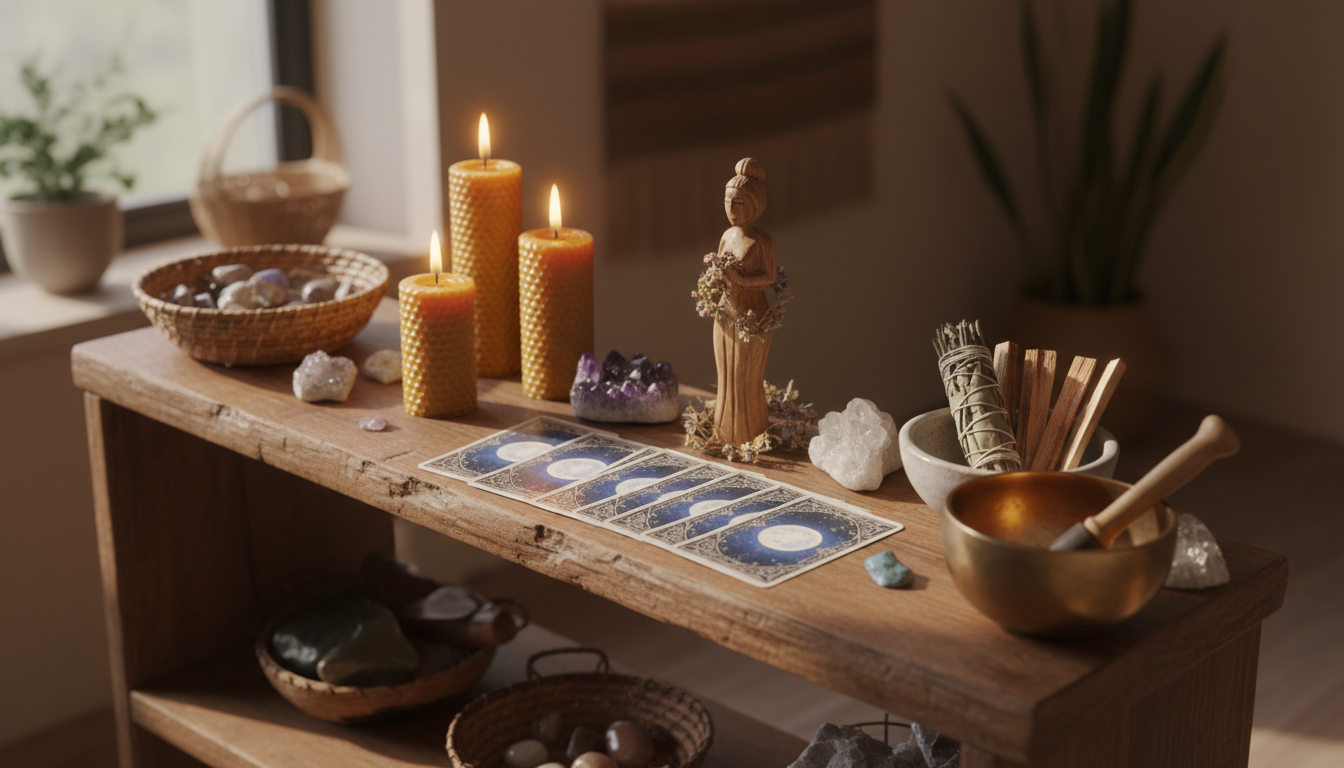
Creating a small home altar with objects that hold personal meaning
Burning herbs or incense to mark a transition between states, work mode to rest mode, for example
Practicing gratitude as a spiritual act, not a productivity hack, but a genuine acknowledgment of what is present
These are not decorative additions to wellness. They are the practices The Ritual Bloom was built around, rooted in the belief that handcrafted ritual products and intentional tools can anchor a practice that feels deeply your own.
Try one new spiritual practice per week. Notice what quiets something in you. That response is your guide.
How to Make Your Daily Self-Care Ritual Actually Stick
Knowing what your daily self-care ritual looks like is one thing. Actually returning to it tomorrow, and the day after, is where most people lose the thread. Consistency is the part that gets glossed over, so here is how to build it in from the start.
Habit stack your ritual onto something fixed. Attach your practice to something you already do without thinking: right after you pour your morning coffee, before you step into the shower, or immediately after brushing your teeth at night. The existing habit becomes the trigger. Your ritual rides in behind it.
Start embarrassingly small. A two-minute ritual practiced daily builds more than a one-hour ritual practiced once this month. Light a candle, take three slow breaths, set one intention. That is enough to begin.
Make your environment do the work. Set up a small tray or corner with your candle, journal, and a crystal. When your tools are visible and arranged, your brain receives the invitation before you have made any conscious decision. The handcrafted ritual products at The Ritual Bloom are designed exactly for this: sensory anchors that signal your nervous system that ritual time has arrived.
And when you miss a day, because you will, there is no recovery ritual required. Just return to it. The practice is always there waiting.
Your Ritual Toolkit: What to Have on Hand
The rituals you have been building through this guide do not require much. But having a few thoughtful tools within reach makes it far easier to actually begin.
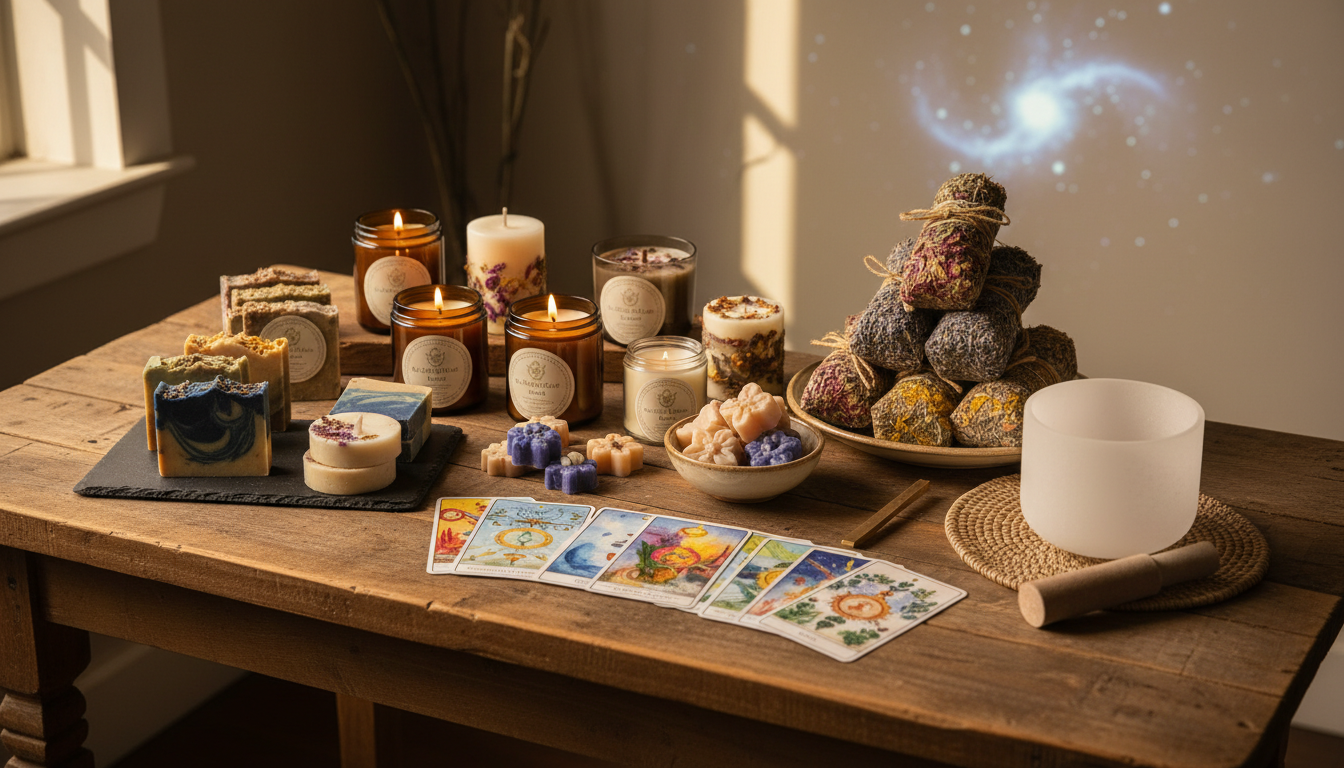
Here is a simple way to think about your toolkit, organized by what each item does for your practice:
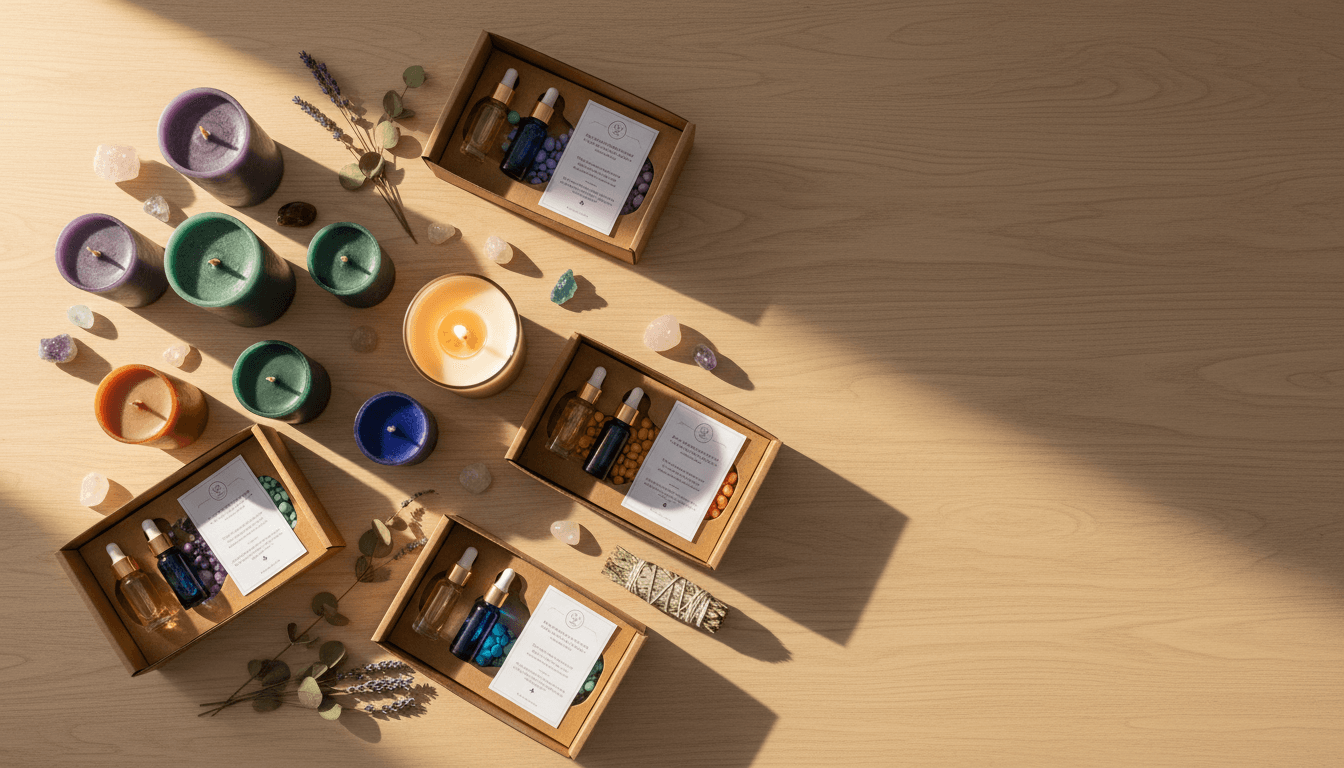
Ambiance: A handcrafted candle or wax melt, an essential oil, or an herbal blend. These shift the sensory environment and signal that ritual time is different from regular time.
Intention-Setting: A journal, a set of intention cards, or a tarot or oracle deck. These give your mind something to anchor to beyond the noise of the day.
Body Care: A bath soak or an herbal tea. Simple, physical, restorative.
Spiritual Anchors: One or two crystals and a small dish to hold herbs or meaningful objects. Tactile reminders of what you are cultivating.
You do not need one item from every category before you begin. Pick the single item that calls to you most, and start there. If you want to explore handcrafted options made with ritual intention in mind, the ritual goods collection is a good place to look.
Ultimately, building a daily ritual is an act of self-love that provides a steady anchor in a fast-paced world. By dedicating time to your inner needs, you foster a sense of resilience and clarity that transforms your daily experience. If you feel that you would benefit from expert support in crafting these sustainable habits, we invite you to visit our About page to learn more about our unique approach to personal growth. We are here to help you navigate your journey with intention and grace.